
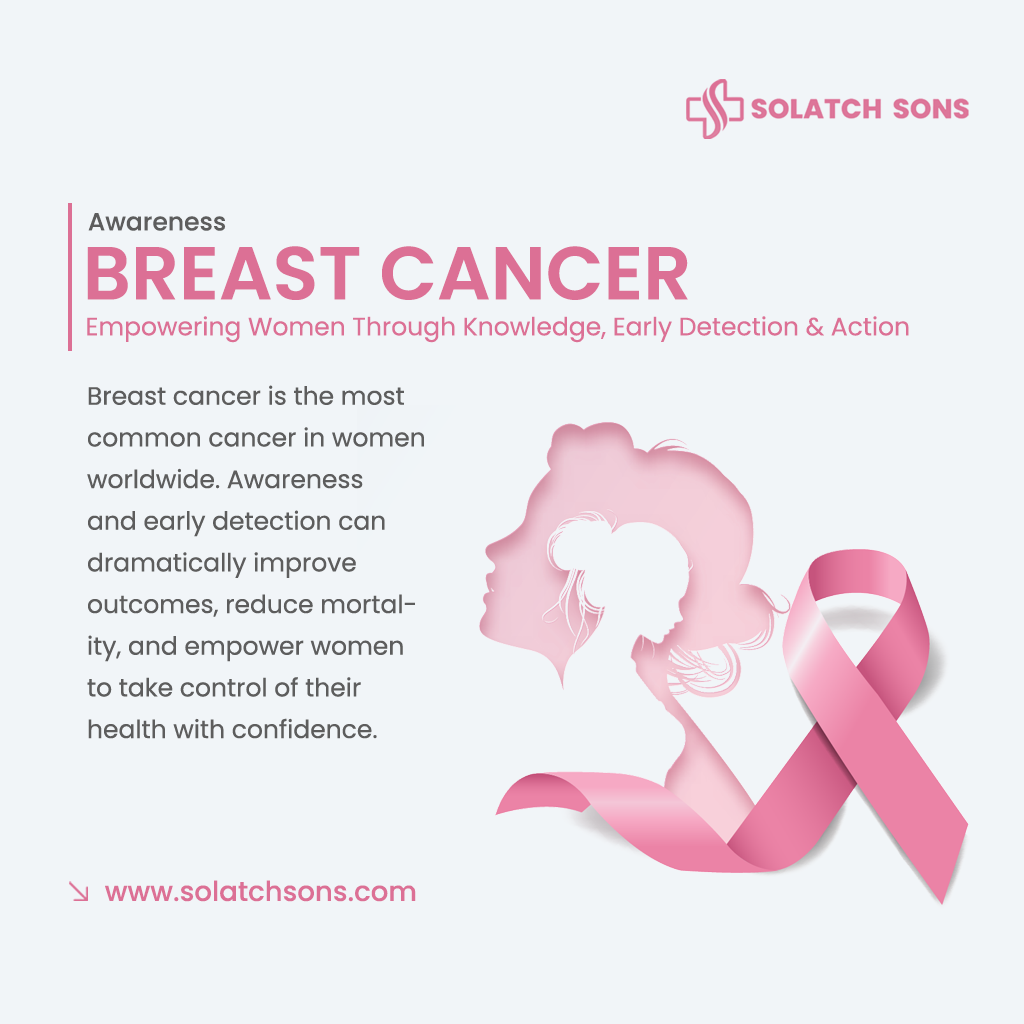
Breast cancer occurs when abnormal cells in the breast grow uncontrollably, often forming a tumour in the milk ducts or lobules. If left undetected, these cells can invade surrounding tissue and spread to other parts of the body. Timely screening and education dramatically improve chances of early diagnosis and successful treatment.
Why Awareness Matters
Breast cancer affects millions of women around the world. In 2022, an estimated 2.3 million women were diagnosed with the disease, and approximately 670,000 women died from it globally. While breast cancer can affect women of any age after puberty, the risk increases with age.
Despite its prevalence, nearly half of all breast cancers occur in women with no obvious risk factors other than being female and ageing underscoring the importance of regular check-ups for all women.
Early Detection: Your Strongest Defense
Early breast cancer is often easier to treat successfully. Regular screening, like mammograms and clinical breast exams, can detect cancer before noticeable symptoms develop. Evidence shows that women who miss initial breast cancer screening appointments face a higher risk of dying from the disease due to delayed detection.
Self-awareness is also key: women should be familiar with the look and feel of their breasts so they can notice changes promptly, such as lumps, skin dimpling, or unusual discharge, and seek medical advice without delay.
Risk Factors to Know
Several factors can increase breast cancer risk, including:
- Age (risk rises after 40)
- Family history of breast cancer or known genetic mutations such as BRCA1/BRCA2
- Obesity and alcohol use
- Hormonal history and reproductive factors
However, it’s important to remember that many women diagnosed with breast cancer have no clear risk factors, which is why broad awareness and screening are crucial.
Global Efforts & Initiatives
Organizations like the World Health Organization’s Global Breast Cancer Initiative work to reduce breast cancer mortality by improving awareness, facilitating early diagnosis, and expanding access to quality treatment worldwide. These efforts aim to bridge disparities in breast health outcomes between high- and low-resource settings.
Throughout Breast Cancer Awareness Month every October, communities, healthcare providers, and advocates come together to educate women about breast health, risk factors, and the importance of regular screenings.
Your Role in Awareness
Breast cancer awareness isn’t just a one-day event — it’s a lifelong health commitment. Women are encouraged to:
- Perform regular breast self-exams
- Schedule clinical examinations and mammograms as recommended
- Talk openly with healthcare providers about breast health
Support loved ones in their screening and wellness journeys