
Healthy Blood Awareness
Why strong blood health is essential for life
Blood is the body’s life-support system. Every second, it transports oxygen, nutrients, hormones, and immune cells to keep organs functioning properly. Yet, blood health is often overlooked until a medical issue arises. Healthy Blood Awareness focuses on understanding the vital role blood plays in overall wellness and why maintaining it should be a healthcare priority.
Why Healthy Blood Matters
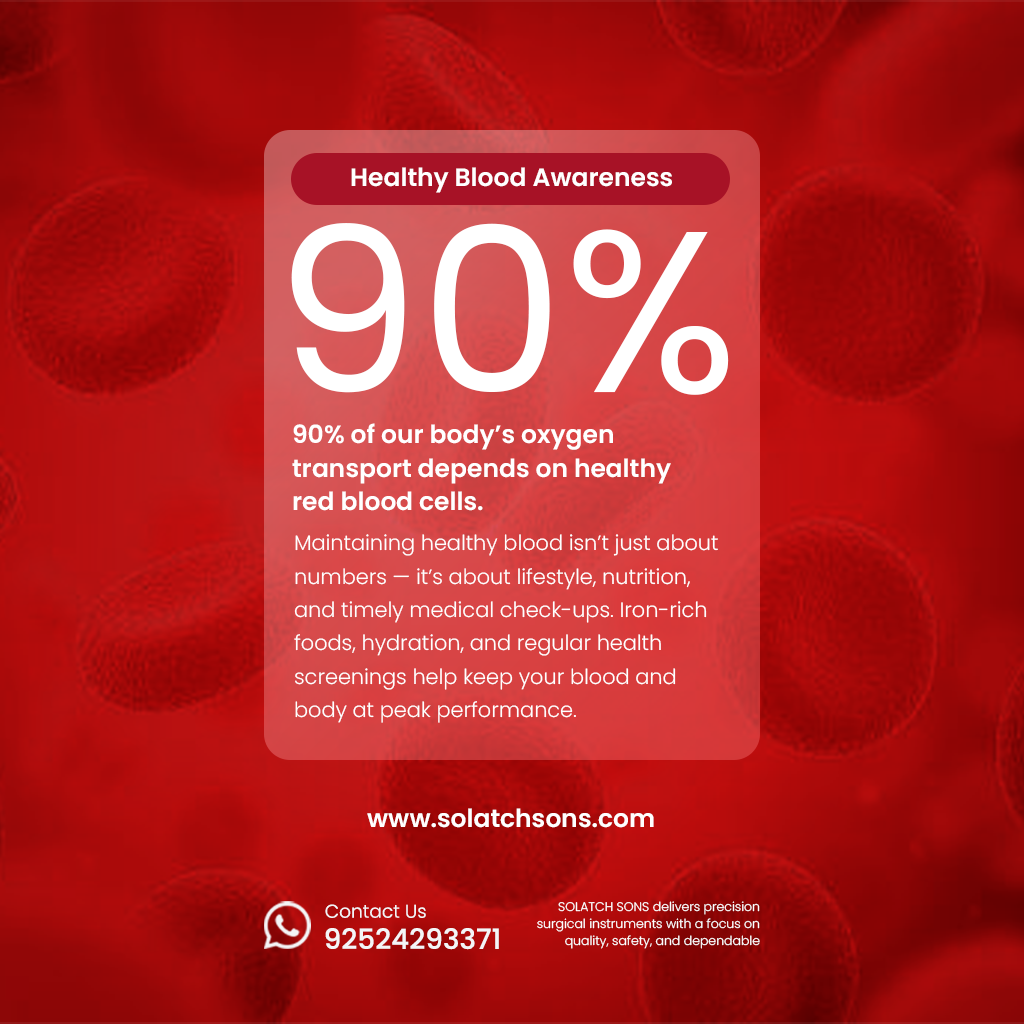
Healthy blood ensures that oxygen reaches every cell in the body. Red blood cells carry oxygen from the lungs, white blood cells defend against infections, platelets support clotting, and plasma transports essential nutrients. When blood components are balanced and functioning properly, the body remains energized, resilient, and protected.
Medical research shows that a large percentage of the body’s daily functioning depends on efficient oxygen delivery and circulation. Even minor imbalances in blood health can affect energy levels, immunity, wound healing, and organ performance.
Common Blood Health Challenges
Blood-related conditions are more common than many people realize. Anemia, infections, clotting disorders, and nutritional deficiencies can silently weaken the body over time. Symptoms such as fatigue, dizziness, shortness of breath, frequent infections, or slow healing may indicate underlying blood health issues.
Early awareness and routine testing help identify these problems before they develop into serious complications.
Lifestyle and Nutrition’s Role in Blood Health
Healthy blood starts with everyday habits. A balanced diet rich in iron, vitamin B12, folate, and protein supports red blood cell production. Staying hydrated keeps blood flowing smoothly, while regular physical activity improves circulation.
Avoiding smoking, managing stress, and getting adequate sleep further protect blood health and reduce strain on the cardiovascular and immune systems.
The Importance of Regular Check-Ups
Routine blood tests are one of the most effective tools in preventive healthcare. They provide early insight into infections, deficiencies, inflammation, and chronic conditions. Regular screenings allow healthcare professionals to take timely action, improving outcomes and reducing long-term health risks.
Blood awareness is not just for patients it is a shared responsibility between individuals, healthcare providers, and medical institutions.
Blood Health and Modern Medicine
Advancements in medical technology have greatly improved how blood-related conditions are diagnosed and managed. From precision laboratory testing to advanced surgical and transfusion practices, modern healthcare relies heavily on accurate blood analysis and sterile medical instruments to ensure patient safety.
Maintaining high standards in blood-related medical procedures is essential for reliable diagnosis and effective treatment.
Raising Awareness Saves Lives
Healthy Blood Awareness encourages education, prevention, and proactive care. Understanding blood health empowers individuals to make informed choices and seek medical advice early. Awareness leads to prevention and prevention leads to healthier, longer lives.